
Why does one piece of land get picked for a project while the lot next door sits untouched for years? The site itself rarely gives a clear answer on its own. A property might look promising on the surface, with a good address or an open field ready to build on, but that alone does not tell a developer much. How do real estate developers choose development sites in practice comes down to a short list of hard questions. Can this be built on? Will people want to live here? Will the numbers still work once the approvals and construction are done?
How Developers Evaluate Land for Development
Before any offer goes in, a developer works through a review that looks past the surface of a listing. How developers evaluate land for development usually starts with the zoning, since a site that cannot support enough units rarely pencils out, no matter how good the location looks. From there, attention turns to servicing, meaning whether water, sewer, and power already reach the site or whether new infrastructure needs to be built first. Cost comes next: what the land is priced at compared to what it could be worth once approved and built. Then comes demand, looking at who would actually want to rent or buy there, and whether that demand is likely to hold up over the several years a project takes to complete.
This is the core of how developers evaluate land for development on almost every deal, regardless of the size of the site or the market it sits in. A location can check every box on paper and still fail if the numbers do not support a return once real construction costs and financing terms are applied.
Factors to Consider When Choosing a Development Site
A short list of items comes up on nearly every deal a developer reviews:
- Current zoning and upside
What the site allows today, and how much more density a rezoning could realistically add. - Servicing and infrastructure
Whether water, sewer, and road access already exist, since extending these can add high cost and time. - Site size and shape
Whether the lot can efficiently support the unit count and building form the market wants. - Location and access
Proximity to transit, employment, and amenities that support rental demand. - Land cost relative to the entitled value
The purchase price needs to leave enough room for the developer to profit once approvals and construction are factored in. - Municipal appetite
The local planning department has a track record of approving similar projects in a reasonable timeframe.
What Makes a Property Suitable for Development
What makes a site work is rarely one single feature. It is usually a combination of things lining up at the same time. A site can have great access to transit but sit in a market with weak rental demand. Another site might have strong demand but face a municipality that is slow to approve rezoning requests. The most workable properties are the ones where the location, the zoning path, the construction cost, and the local market all point in the same direction, so that no single weak point can undo the rest of the plan.
The Real Estate Development Site Selection Process
This generally follows a consistent order:
- Market screening, where developers look at population growth, rental demand, and vacancy trends across a region to narrow down which cities or neighbourhoods are worth a closer look.
- Site identification, where specific properties are shortlisted based on size, location, and current zoning.
- Preliminary due diligence, covering title, environmental conditions, servicing, and a first pass at what the zoning would allow.
- Financial testing, running the numbers on land cost, expected construction cost, and projected rents to see whether the deal supports a return.
- Municipal consultation, where the developer talks to planning staff early to understand whether the city would likely support the project as envisioned.
- Offer and conditions, where the purchase is structured with conditions tied to zoning approval or other diligence items, so the developer is not fully committed before the key risks are cleared.
Where Overlooked Markets Fit Into Site Selection
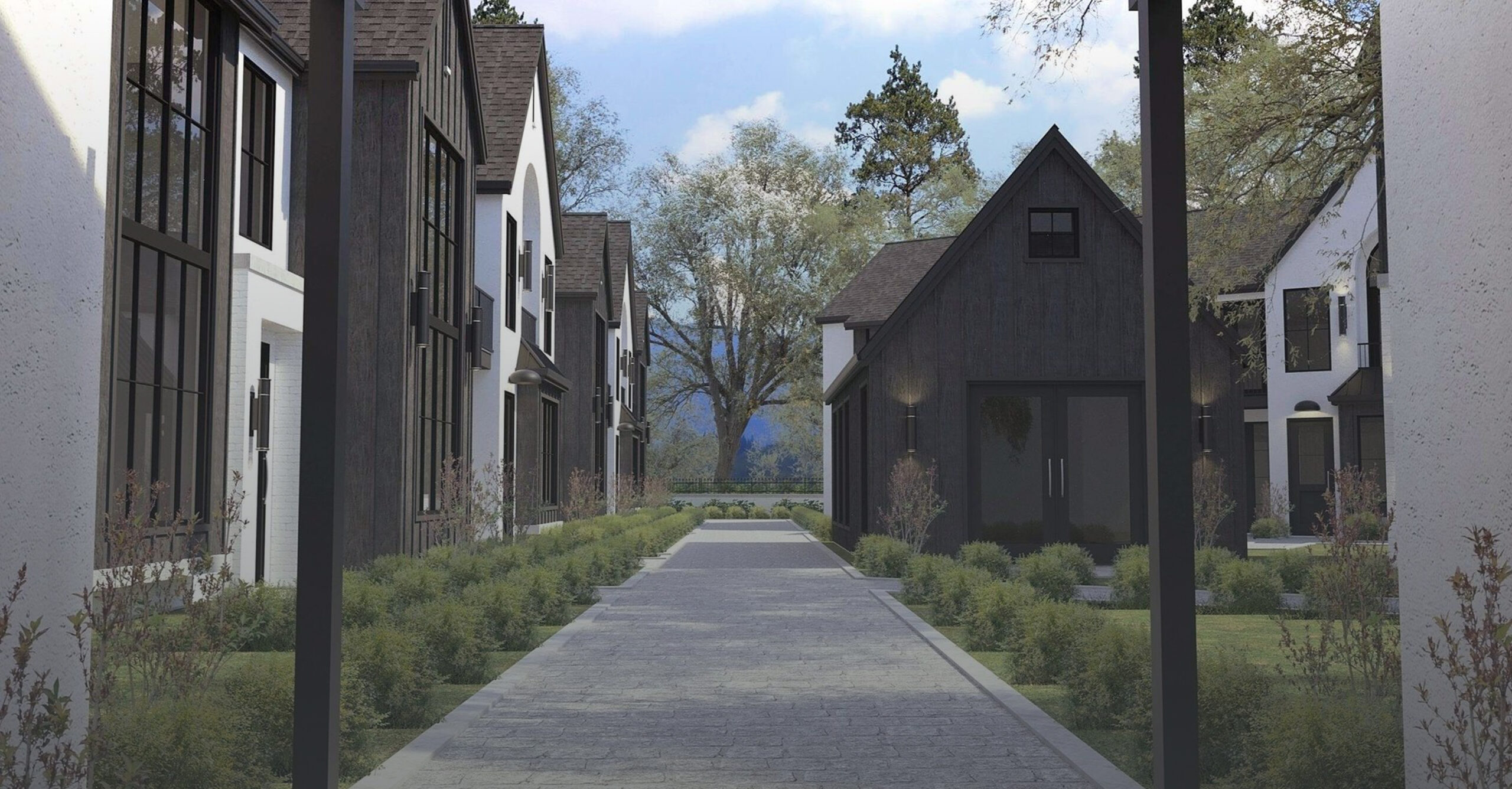
Sites in major cities are reviewed by a large pool of buyers, which tends to price in most of the upside before a developer even gets involved. Smaller markets, like Barrie or Brampton, often see less competition for land, which can leave more room for a developer to add value through zoning and planning work rather than paying for it upfront. According to CMHC’s 2025 Rental Market Report, rental demand in a number of these smaller centres has held up even as vacancy rates loosened nationally, which is part of why site selection in these markets can still make sense even when larger cities are cooling off. Black Creek Group’s Project Sophia is one example of a site chosen using this approach, picked for its combination of zoning upside and steady local rental demand rather than for being in a well-known location.
Where Can Site Selection Go Wrong
Even a careful review does not remove risk. A city can change its position on density partway through a rezoning process. Servicing costs can come in higher than first estimated once engineering studies are complete. Rental demand assumptions made at the start of a project can shift by the time it is ready to lease. This is exactly why how developers evaluate land for development has to be an ongoing check rather than a one-time judgment made at the offer stage, with conditions, phased due diligence, and realistic timelines built in rather than assuming the first read on a site will hold all the way through to construction.
FAQs
How do real estate developers choose development sites?
They work through zoning, servicing, cost, and local demand together, rather than picking a site based on location alone. A site only moves forward once the numbers support a return after accounting for approvals and construction.
How do developers evaluate land for development?
By checking what the current zoning allows, what a rezoning could realistically add, whether servicing is already in place, and whether local rental demand supports the plan over the time it takes to build and lease up.
What factors do developers consider when choosing a development site?
Zoning and density upside, servicing and infrastructure, site size and shape, location and access, land cost relative to entitled value, and how likely the municipality is to approve the project.
What makes a property work well for a development project?
A combination of factors lining up together: a workable zoning path, existing or reachable servicing, a site size that supports an efficient building, and a location where rental demand is likely to hold up.
What does site selection look like from start to finish?
It typically moves from market screening to identifying specific sites, to preliminary due diligence, financial testing, early conversations with municipal staff, and finally, an offer structured around the key approval and diligence risks.