OUR APPROACH

Development process

1.

Selective Entry

We enter markets carefully. Before any project moves forward, we assess land pricing, density potential, municipal policy, and realistic timelines. Disciplined entry is the first decision, and often the most consequential one.

2.

Entitlement and Municipal Alignment

Approvals turn a site into a buildable opportunity. We work directly with municipal teams, through rezoning, site plan review, and early engagement, to establish clear timelines and keep projects moving forward with integrity.

3.

Design of Durability

Good design is a long-term decision, not an afterthought. We plan for operating stability, practical build sequences, and thoughtful design choices that keep lifecycle costs in check and communities functioning well for years to come.

4.

Delivery and Long-Term Value

We build with trusted partners, stay close to every budget and schedule, and measure success by how well a development serves its community long after construction is done.
Development Process Accent

What Guides Our Work

The Principles Behind How We Make Decisions

Each one of these shapes how we select markets, work with partners, manage each project, and deliver developments that hold their value over time.

Purpose-Built Rentals Icon

Alignment

Every outcome matters to everyone involved, from start to finish.

Municipal Collaboration Icon

Direct Involvement

Our founders stay hands-on, so the right decisions get made.

Build-to-Exit Strategy Icon

Selective Entry

We build where demand is genuine, and development conditions are right.

Build-to-Exit Strategy Icon

Capital Discipline

Every project starts with conservative assumptions and careful, consistent staging.

Build-to-Exit Strategy Icon

Value Transparency

Clear reporting and honest communication keep partners informed at every stage

Build-to-Exit Strategy Icon

Municipal Alignment

We engage municipalities early to build relationships and keep approvals moving

Build-to-Exit Strategy Icon

Completion Focus

Long-term performance is built in from the start, not added later
Mountains landscape
Modern interior design
City skyline at night

Our Projects

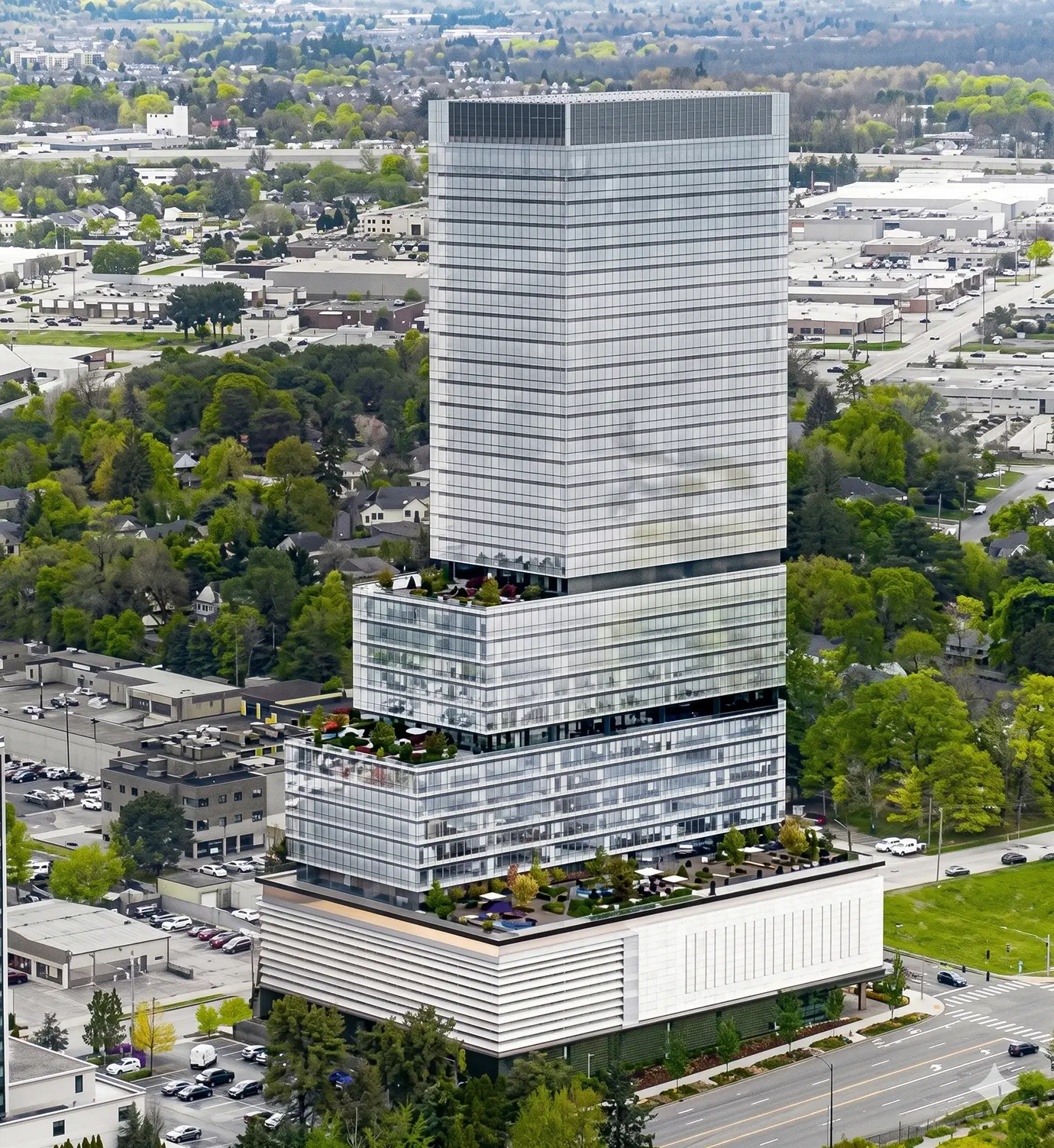
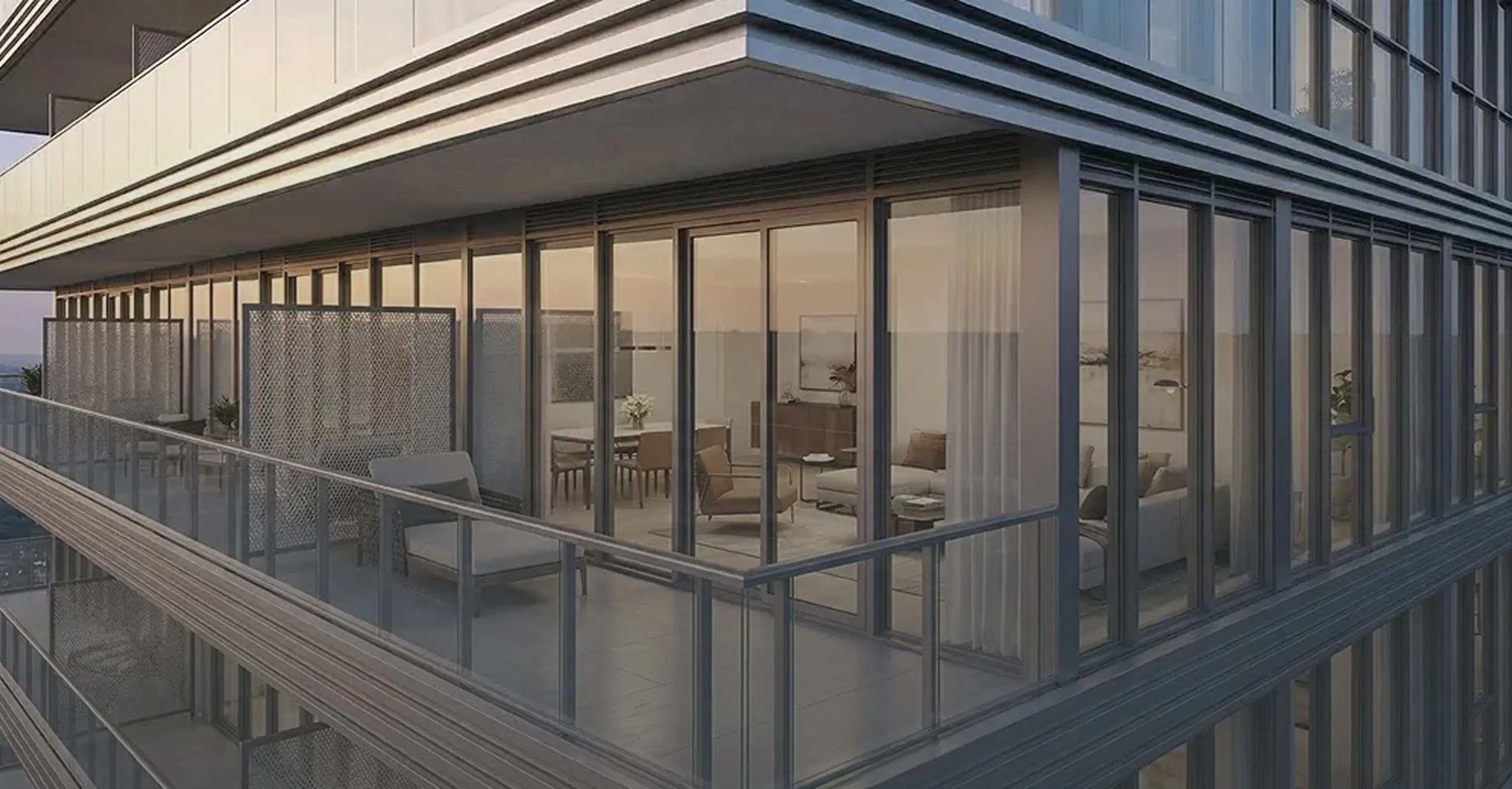
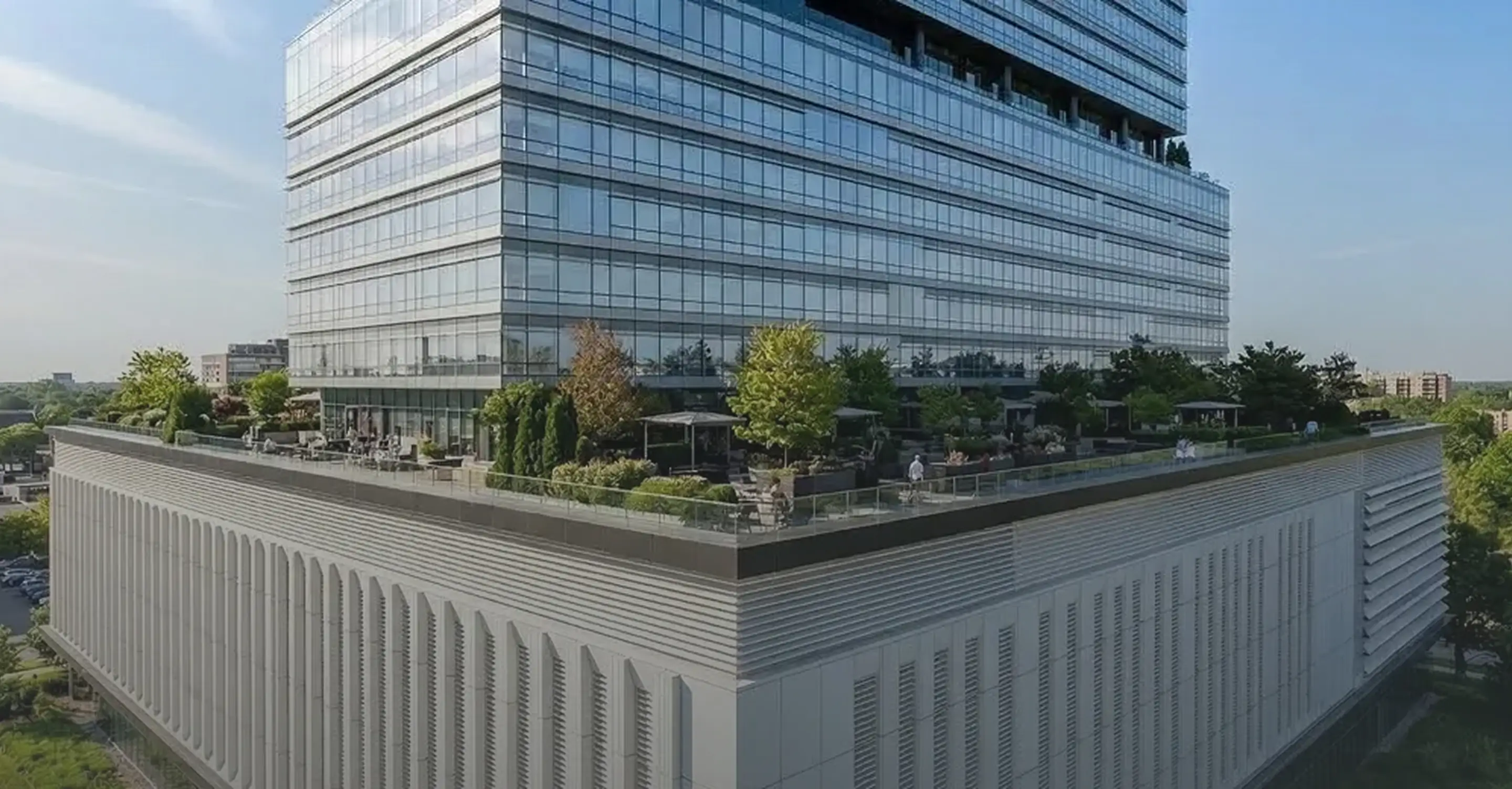
Purpose-built rental and mixed-use developments in Canada's most underserved housing markets, planned and delivered with care from the ground up.

Sophia

Barrie, Ontario

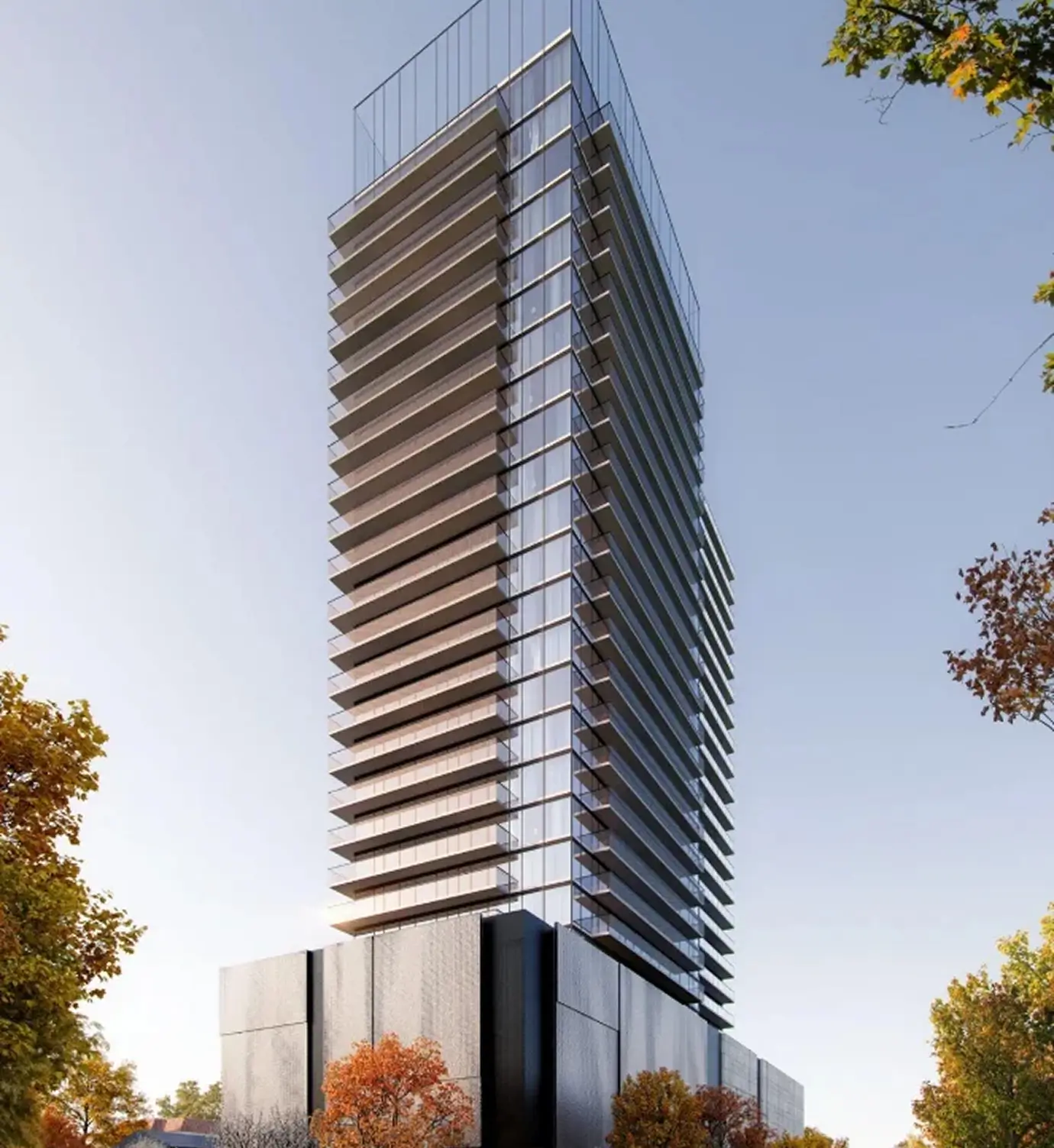
Strong rental demand, secured approvals, and a development strategy built in close partnership with the City of Barrie. Sophia is one of Barrie’s most well-positioned purpose-built rental developments.

Learn More
Vespra

Barrie, Ontario

Barrie’s downtown is growing fast, and Vespra is built for exactly that moment. 446 purpose-built rental homes, retail at grade, and zoning already secured in the city’s most active growth corridor.

Learn More
Magnolia Edgemont

Vancouver, BC

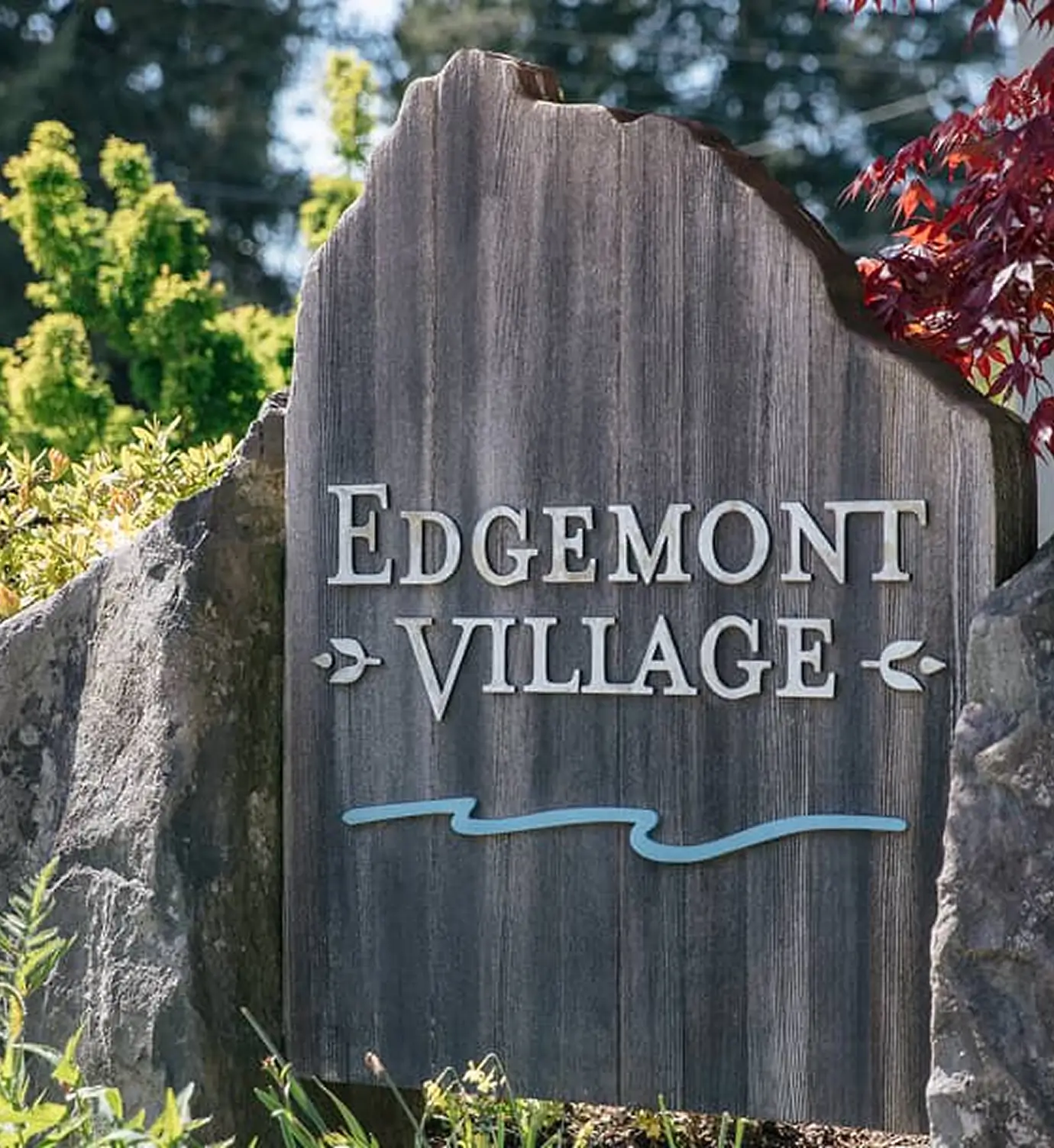
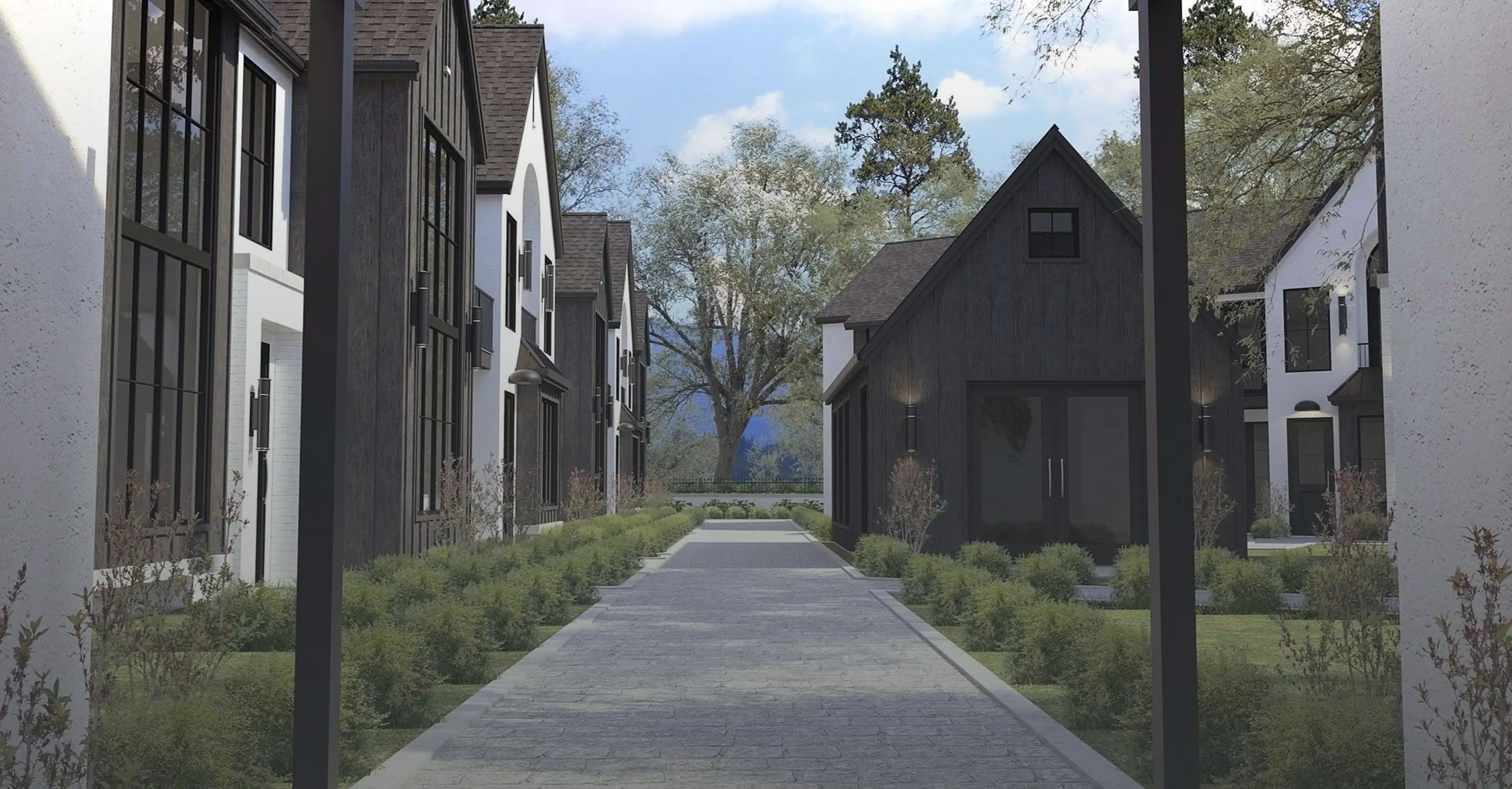
Edgemont Village is one of North Vancouver’s most sought-after neighbourhoods, and Magnolia brings 21 thoughtfully designed luxury townhomes to the heart of it.

Learn More

Frequently asked questions

Why are company values important in real estate development?

Because development outcomes are driven by a long chain of decisions made under time and cost pressure. Clear values set the standard for how tradeoffs are handled, how partners are treated, and how a project is managed when conditions change.

What ethical standards should a property developer follow?

A developer should operate with a documented code of conduct that covers conflict management, accurate disclosure, fair dealing with all counterparties, and clear governance on decision rights, fees, and related-party arrangements.

How do real estate developers ensure construction quality?

Quality is established before procurement through resolved drawings, coordinated consultant scopes, and constructability review, then maintained through inspection, deficiency tracking, and change control throughout the build.

What makes a real estate development company trustworthy?

Trust comes from consistent execution, clear reporting, and decisions that are documented and easy to follow. It is built over time when the people leading a project are the same ones responsible for its outcome, and when issues are raised early and addressed directly rather than managed around.

How does Black Creek Group maintain transparency with partners and stakeholders?

Through regular updates on schedule, budget, approvals status, and any material changes to the project. Transparency at Black Creek Group means raising issues early, quantifying what they mean for the project, and presenting clear options so everyone involved can make informed decisions together.

How does Black Creek Group approach the approvals process?

We engage with municipal staff from the earliest stages of each project, reviewing zoning, planning policy, and servicing requirements before design advances. Our submissions are structured around what the municipality needs to process them efficiently, which reduces delays and keeps the project on a reliable schedule.

How does Black Creek Group stay accountable throughout a project?

Accountability at Black Creek Group is not delegated. The same people who set the direction for a project are responsible for seeing it through, which means decisions are made with full awareness of what each one costs in time, budget, and quality.

How does Black Creek Group manage costs across a project?

Cost assumptions are established conservatively from the outset and revisited as the scope is confirmed. Construction does not advance until the approvals path supports the intended building program, and each project is sized to what the site and market can genuinely support.

Who manages consultants and execution?

Black Creek Group leads the process internally. Consultants are selected based on their delivery record and managed against defined scope, timeline, and budget expectations. Their work is reviewed as it is produced, which keeps quality consistent and issues from compounding over time.

How does Black Creek Group plan for a project's long-term performance?

Occupancy planning, operating efficiency, and the needs of future residents are all considered during the design phase. By the time construction is complete, the groundwork for a well-run, lasting development has already been carefully laid.