

Real estate development creates value by moving a property from its current use to a better planned, better approved, and more productive use. The value is created through site selection, planning work, design, financing, construction, leasing, sales, and risk control. In Canada, strong development also depends on municipal alignment, cost discipline, and a realistic exit plan.
Value Starts Before Construction
Most people think real estate development value creation happens when construction begins because the building is visible. But much of the value is created before anything is built.
A site may be underused, outdated, or no longer matched to local housing demand. It may be close to transit, jobs, schools, services, or an urban centre, but still carry a lower-density use. A developer looks at that gap and asks a practical question: can this land support a better use than it has today?
That question sits at the centre of how does real estate development create value. The answer depends on planning policy, market demand, financing, construction cost, municipal review, and timing. A site does not become more valuable just because a developer wants it to be. It becomes more valuable when the use, design, approval path, and capital plan begin to work together.
Finding the Right Site
Real estate development starts with the site. A good site is not always the most obvious parcel in the most expensive market. In many cases, the better opportunity is in a market where demand is growing, but new supply has not kept pace.
A developer studies the basics first. Is the site close to transit? Can it be serviced? Does the municipality support more housing in that location? Can the surrounding area handle the proposed use? Is there enough rental or buyer demand to support the project?
These questions matter because real estate development value creation depends on more than location. The site must also have a practical path to approval, financing, construction, and exit.
For Black Creek Group, this means looking at whether a site can move from an idea to a real project in a disciplined way. The focus is not only on where the market is growing. It is also on whether the project can be planned carefully, financed responsibly, and advanced through clear milestones.
Planning Turns Uncertainty Into Progress
Planning is one of the main factors that increase property value through development. A property with unclear permissions is harder to price. Investors may like the location, but they still need to know what can be built, how long approvals may take, what changes may be required, and whether the project fits local planning rules.
This is where zoning, height, density, parking, servicing, environmental review, public feedback, and municipal comments become important. These items may sound technical, but the point is simple. Before a project can be built, the developer needs to know whether the municipality is likely to support it and what issues must be resolved first.
A site with no clear approval path carries more risk. A site that has moved through planning review can become easier to finance, price, and build. That does not remove all risk, but it does make the next steps clearer.
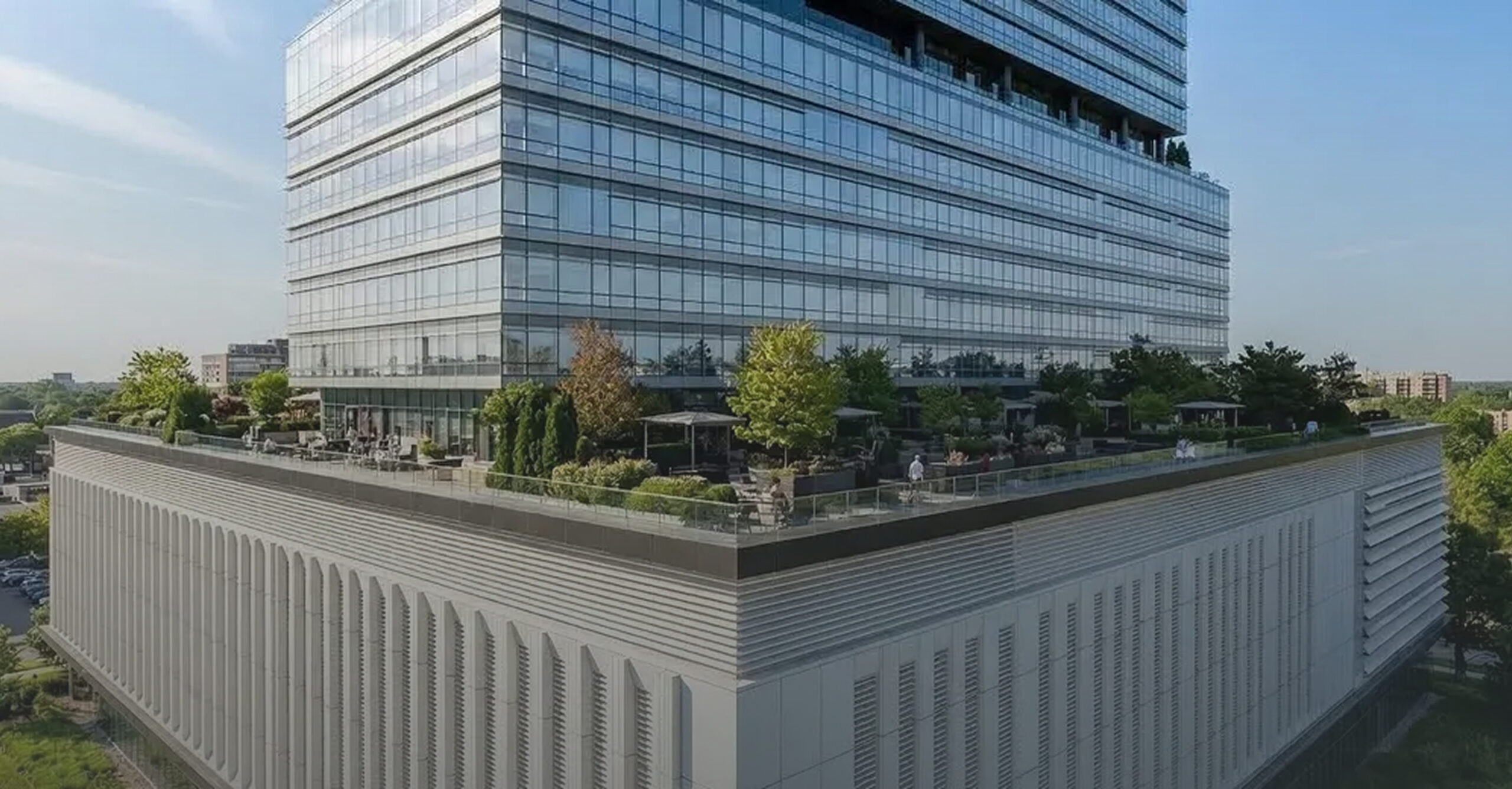
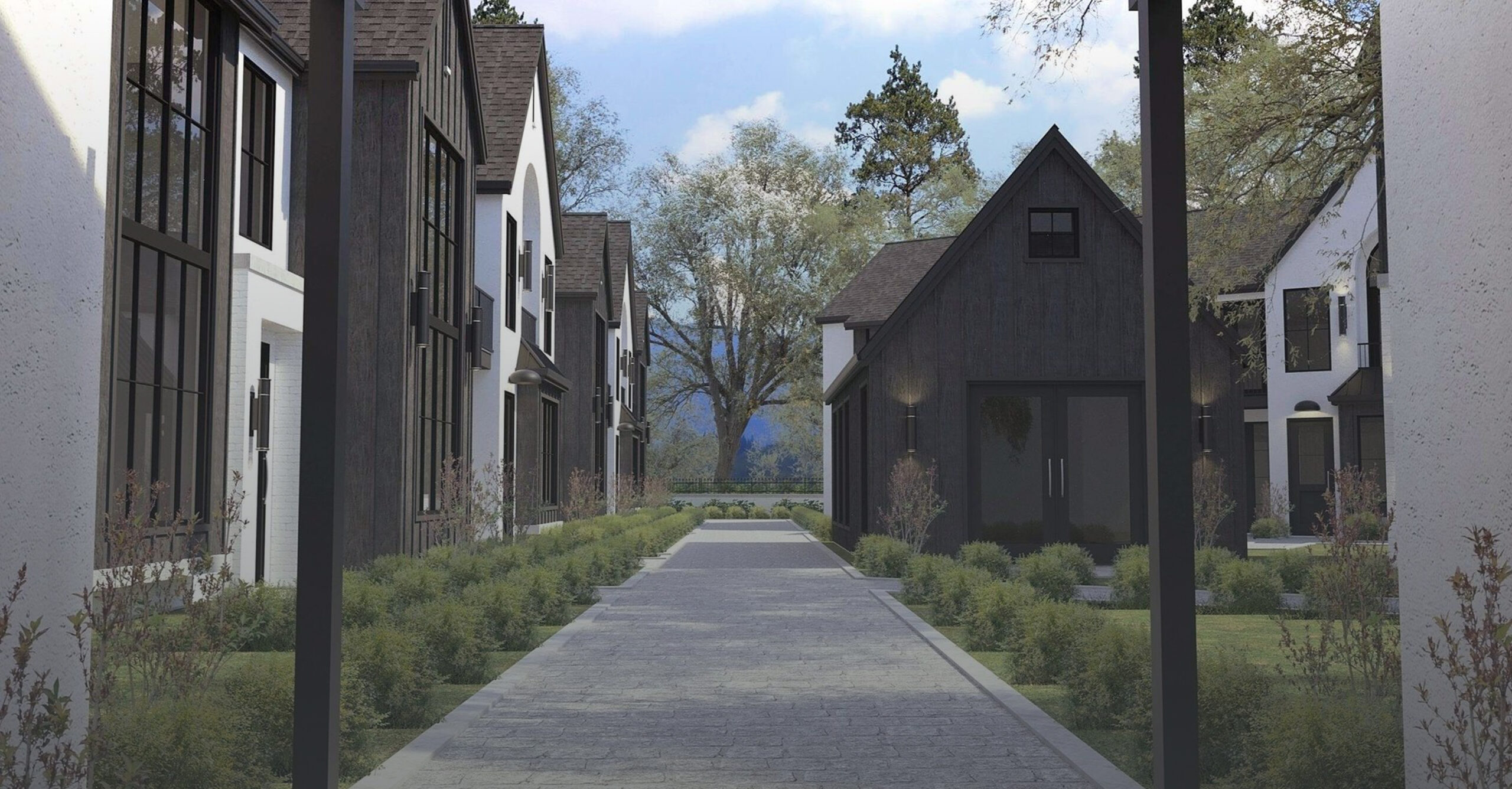
Black Creek Group’s Project Vespra is a good example of how planning can create value before construction starts. When a project moves through municipal review and key planning questions are addressed, it becomes easier to assess financing, construction planning, and future exit options.
Density Only Creates Value When It Works
Density can increase property value, but only when it is practical. More units do not always mean a better project. A taller building can also bring higher costs, more parking issues, longer approvals, more financing needs, and a harder lease-up or sales program.
The better question is not only, “How much can we build?” The better question is, “What can this site, market, municipality, and financing plan support?”
This is an important part of the real estate development process in Canada. Municipalities need more housing, but they also need servicing, traffic, built form, environmental limits, and community impact to be reviewed. Lenders want to know the project can be completed. Investors want the risk to make sense. Tenants or buyers need a product they can afford and will choose.
Real estate development creates value when these interests are brought closer together.
Income and Exit Value Matter
Once the site and planning path are clearer, the project still needs a financial reason to move forward. For rental housing, value is often tied to income after operating costs. That means rents, vacancy, operating expenses, repairs, management, taxes, insurance, and long-term building costs all matter.
A rental building becomes more valuable when it can attract tenants, cover its costs, and produce stable income. For townhouse or low-rise residential projects, value often comes from selling completed homes. In that case, the developer needs to understand buyer demand, pricing, construction timing, and closing risk.
This is the direct answer to how do real estate developers make money. Developers make money when the completed value of a project is higher than the full cost of buying, approving, financing, building, leasing, selling, or holding it.
That spread is not guaranteed. It can be reduced by cost overruns, delays, higher interest rates, weaker rents, slower sales, or lower exit value. That is why a good project should not depend on perfect conditions. It should be tested under realistic assumptions.
Cost Control Protects Value
Cost control is one of the most important parts of real estate development. It is also one of the easiest areas to underestimate. Two sites may have similar revenue potential, but very different results. One may have a simpler design, better construction planning, fewer underground issues, or a clearer servicing plan. The other may face extra costs that were not fully understood at the start.
Construction cost can be affected by materials, labour, excavation, parking, servicing, insurance, design changes, development charges, interest costs, and contingency use. These items affect returns, financing, and exit value. A project can look strong at acquisition and become strained before completion if costs are not managed carefully.
Developers manage cost risk by testing budgets early, getting outside cost input, reviewing contractor feedback, setting realistic contingencies, and watching design changes closely. They also look for practical design choices that reduce avoidable complexity.
At Black Creek Group, cost control is treated as part of the project plan from the start, not something to fix later. The focus is on testing budgets early, keeping design choices practical, and tracking cost changes before they affect financing or exit value.
Financing Must Match the Project
Development uses money before it creates income. Land must be bought or controlled. Consultants must be paid. Applications must be prepared. Design, planning, legal, and engineering costs build up before construction starts.
Then construction requires a larger financing plan. This may include sponsor equity, investor equity, senior debt, construction loans, interest reserves, and contingency funds. Financing risk is one of the main real estate development risks and challenges because market conditions can change during the project.
A project may start when rates are lower and reach construction or completion when borrowing costs are higher. Developers manage this risk by planning the financing early and testing whether the project still works if costs, rates, rents, sales, or timing change.
Sponsor capital also matters because it shows the sponsor has money at risk in the same project. This can help keep financing decisions practical. The sponsor is less likely to take on too much debt, understate interest costs, or rely on an exit plan that depends on perfect market conditions. It does not remove risk, but it can make the capital plan more disciplined and easier for investors to assess.
Market and Exit Risk Need Early Review
Market risk includes rental demand, buyer demand, comparable rents, sale pricing, cap rates, leasing pace, and buyer interest in completed assets. These factors can change between acquisition and exit.
For purpose-built rental projects, developers need realistic assumptions for rent, vacancy, lease-up timing, operating costs, and refinance or sale value. For townhouse projects, the focus is different. Developers need to test buyer demand, pricing, construction timing, and closing risk.
Black Creek Group’s work shows why market and exit risk must be reviewed project by project. A rental development depends on steady tenant demand, realistic operating costs, and the ability to refinance or sell once the building is income-producing. A townhouse development depends more on buyer demand, sale pricing, construction timing, and closings after completion.
The broader point is that each development needs its own risk plan. The exit should match the asset type, location, approval path, and depth of demand in that market.
Why Development Matters for Canada’s Housing Market
Real estate development is important for Canada’s housing market because resale activity does not add new homes. Existing homes changing hands can affect prices, but they do not create new supply. Development adds rental housing, ownership housing, mixed-use density, and better use of serviced land.
This matters in markets where population growth, household formation, and rental demand require more housing options. But new housing is hard to deliver. Canadian developers must work through approvals, construction costs, financing, labour, infrastructure, municipal review, and policy changes.
That is why the real estate development process in Canada requires more than a strong idea. It requires patient planning and steady execution.
When development is done well, it can add housing in places where demand already exists. It can also support municipal growth plans and create assets that long-term owners may want to hold. When it is poorly planned, it can stall, miss the market, or use capital without producing the expected result.
What Investors Should Watch
Investors should look beyond the headline return. The first question is whether the project’s value is based on real progress or only on hopeful assumptions. Planning progress, cost review, market evidence, financing terms, and municipal feedback are more useful than broad claims.
The second question is whether the sponsor has capital at risk and a clear role in decision-making. The third question is whether the project has more than one possible exit. A rental project may be refinanced, sold, recapitalized, or held. A townhouse project may depend more on end-user sales. Each path has different risks.
The fourth question is whether the downside has been reviewed. What happens if rents are lower? What happens if sales are slower? What happens if rates rise? What happens if approvals take longer? What happens if construction costs move?
Real estate development creates value when the upside is clear, and the risks are visible.
FAQs
How does real estate development create value?
Real estate development creates value by improving the use, approval status, income potential, and marketability of land or buildings. Value is created as a project moves from an underused property toward an approved, financed, built, leased, sold, or income-producing asset.
How do real estate developers make money?
Real estate developers make money when the completed or income-producing value of a project is higher than the total cost to buy, approve, finance, build, lease, sell, or hold it. Returns can come from development profit, rental income, refinancing, sale proceeds, or long-term ownership.
What is real estate development value creation?
Real estate development value creation is the process of increasing a property’s value through better land use, planning approvals, practical design, cost control, financing, construction, leasing, sale, or long-term ownership.
What factors increase property value through development?
The main factors that increase property value through development include location, zoning, planning approvals, density, design, servicing, construction cost, rental or buyer demand, financing terms, and the strength of the exit plan.
What is the real estate development process in Canada?
The real estate development process in Canada usually includes site review, feasibility work, planning applications, municipal review, technical studies, financing, design, construction, leasing or sales, and final exit or long-term ownership.
Final Thoughts
So, how does real estate development create value? It does not happen through one event. It happens as uncertainty is reduced.
A site becomes more valuable when its best use is identified. It becomes more valuable when planning risk is reduced. It becomes more valuable when the design fits the market, the budget holds, financing is realistic, and the exit is clear.
For investors, that is the real work of development. The building matters, but the value is created through the decisions that make the building possible.